



ABOUT BIOPSYCHOSOCIAL MODEL AND ASSESSMENT OF NON-ORGANIC SIGNS TESTS
The Biopsychosocial Model is a method by which clinicians may enhance treatment outcomes while considering the behavioral effects of injury on the coping mechanisms of the patient. This online program will outline the fundamentals of the Biopsychosocial Model and provide a procedure the clinician may utilize to assess for the presence of Non-Organic Signs, which may delay recovery during rehabilitation and delay return to normal activity. Learn how to perform a Biopsychosocial Interview and Non-Organic Signs Tests in this on-line workshop.
The Biopsychosocial Model is a method positing that biological, psychological (thoughts, emotions, and behaviors), and social (socio-economic, socio-environmental and cultural) factors all play a significant role in human functioning in the context of disease or illness or injury. This method posits that the workings of the body can affect the mind and the workings of the mind can affect the body. This is a method of interviewing and testing the recipient of healthcare services that assesses for behavioral obstacles that may be interfering with progress.
Why use Biopsychosocial Principles in assessment? A growing body of empirical literature suggests that patient perceptions of health and the threat of disease, as well as barriers in a patient's social or cultural environment, appear to influence the likelihood that a patient will engage in health-promoting or treatment enhancing behaviors. A structured interview and examination can identify these behaviors and thus allow the clinician to choose the appropriate treatment pathway to augment outcomes.
Where should the Biopsychosocial Model be done? In the clinic during the interview and examination, and on the job site to reinforce worker responsibility for injury prevention.
HOW IS THE BIOPSYCHOSOCIAL MODEL DONE?
Analyst performs a structured interview that emphasizes open ended questions.
Analyst assess behavioral factors using pain and perceived disability questionnaires.
Analyst performs physical testing to assess patient participation in testing and gently confronts the patient during physical examination when observing less than full effort or maladaptive behaviors in testing.
Analyst cooperatively sets treatment goals and follow-up during patient treatment.
The time frame for completing the online course is 30 days for each participant. 2 Contact Hours CE.
OBJECTIVES
Learn the fundamentals of the Biopsychosocial Model.
Learn the effects of physical injury on the coping mechanisms of the patient.
Review the necessary elements of a Biopsychosocial Interview.
Learn the elements and application of various Non-Organic Signs tests.
Learn the scoring protocols for Non-Organic Signs Tests.
THESE COPYRIGHTED MATERIALS ARE FOR REGISTRANTS ONLY. BY REGISTERING YOURSELF OR SOMEONE ELSE FOR THIS COURSE YOU AGREE THAT YOU WILL NOT SHARE THESE MATERIALS WITH ANY THIRD PARTY.
REFUND POLICY
Refunds are not available for distance learning courses.
Testimonial
"As usual with your courses, it was effective on all levels."
K.M., OTA, CEAS II, Surrey, BC, Canada
Testimonial
"Well organized, good flow and arrangement. Clear, concise, easy to understand."
A.W., MS, ATC, Hayward, CA
Ron Porter, Director, PT, CEAS III
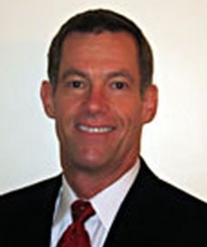
Ronald W. Porter is a nationally recognized expert in the field of Occupational Safety and Health, and Ergonomics.
In the past 35 years, since becoming Director of the Back School, he has instructed over 1000 workshops and seminars on Ergonomics Awareness and Musculoskeletal Disorder Prevention to physical and occupational therapists; medical doctors; chiropractors; occupational health nurses; and industrial health and safety professionals.
Ron has worked with over 300 companies, including Lockheed Martin Aeronautics; US Foods; Mars Incorporated; E.I. Du Pont; DS Waters; Shell Oil; International Paper; WestRock; Arizona Public Service Company; Association of California Water Agencies/Joint Powers Insurance Agency and the United States Navy; consulting on the development and implementation of innovative ergonomics programs for both individual plant sites and entire corporations.
He was chosen as the 2012 ASSE Ergonomics Practice Specialty Safety Professional of the Year, one of the 50 Most Influential People in Workers' Compensation by the 2014 SEAK National Workers' Compensation and Occupational Medicine Conference and received a 2016 Presidentís Award presented by the ASSE.
His recent presentations include:
The 2007 - 2017 American Society of Safety Engineers Professional Development Conferences - The 2016 Region IV ASSE Professional Development Conference | The 1995 - 2005 and 2011 American Association of Occupational Health Nurses Annual Conferences | The 2010 National Ergonomics Conference and Exposition | SEAK Annual National Workersí Compensation and Occupational Medicine Conferences in 2005 - 2007 and 2013 and a March 2010 national webinar on the Aging Workforce for the ASSE Virtual Classroom.
His Bachelor of Science degree is from the University of Tennessee-Knoxville and his Graduate Degree in Physical Therapy from Emory University in Atlanta, GA. He is a member of the American Physical Therapy Association, American Society of Safety Engineers, the American Industrial Hygiene Association and the Human Factors and Ergonomics Society.
MODULE 1: DISEASE MODEL
- The Disease Model in healthcare
- Problems with the Disease Model
MODULE 2: BIOPSYCHOSOCIAL (BPS) MODEL OF PATIENT CARE
- Biopsychosocial (BPS) model of patient care
- Pain, disability and impairment
- BPS approach to patient evaluation
MODULE 3: COPING WITH THE INJURY
- Coping with injury
- Predictors of delayed recovery
- Coping styles-confronters versus avoiders
MODULE 4: SYMPTOM MAGNIFICATION
- Symptom magnifyers
- Points about Symptom magnification
- Types of Symptom magnifyers
MODULE 5: WORKERS' COMPENSATION PATIENTS
- Workers' Compensation (WC) patients
- Differences in WC patients
- Biopsychosocial (BPS) model application to evaluation and treatment
MODULE 6: PATIENT INTERVIEW
- Patient interview objectives
- 4 habits model
- Job descriptions and treatment goals
MODULE 7: NON-ORGANIC SIGNS BATTERY
- Non-organic signs battery
- 8 criteria for testing behavior
- Significance of non-organic
MODULE 8: BIBLIOGRAPHY
- References

